
Valuation, sale and relocation of industrial machines – Technical Broker
KEMEX INTERNATIONAL supports owners of machines and production lines throughout the entire sales process – from assessing technical condition and preparing a valuation, through finding a buyer, to dismantling, protection, transport and relocation of the unit to its new site. We combine engineering knowledge with experience in trading industrial machinery, so we can run the project from the first valuation to handing the machine over to its new owner.
-
01
Technical valuation and preparation for relocation
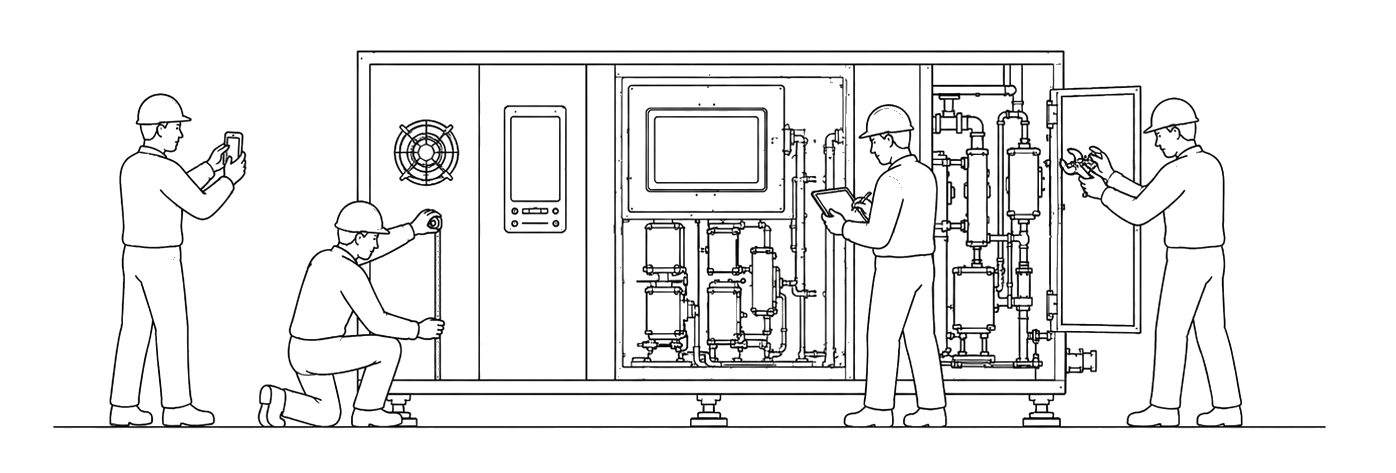
We assess the condition of the machine or line, document the configuration and prepare a valuation and the relocation scope.
- inventory and photographic documentation
- assessment of technical condition and completeness
- valuation of the machine and the relocation cost
-
02
Finding a buyer
We look for a buyer for the machine and hold discussions until terms are agreed.
- presenting the machine within our network of contacts
- discussions and negotiations with the buyer
- agreeing terms and the collection date
-
03
Dismantling the machine
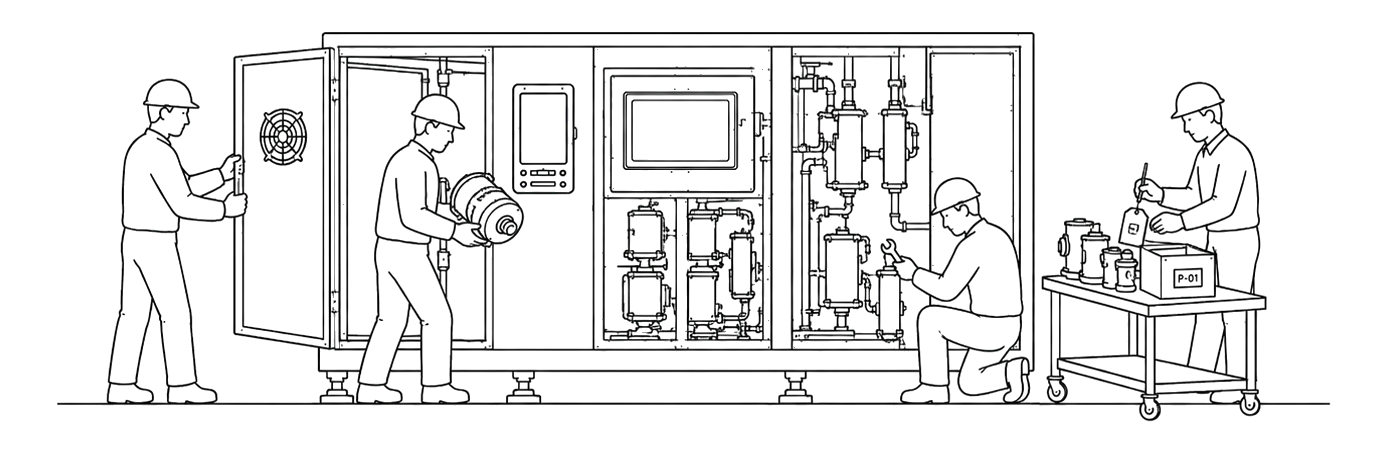
We break the machine down into sections, labelling and cataloguing the components ready for reassembly.
- disconnecting utilities and power supply
- dismantling sections and components
- labelling and cataloguing parts
-
04
Packing and protection
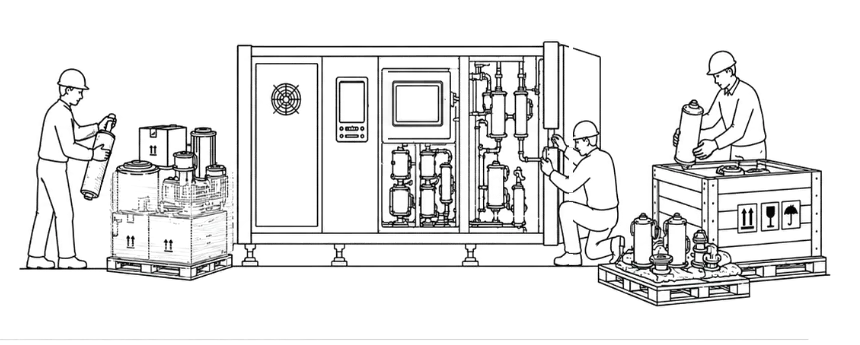
We protect the sections and parts for transport — film, pallets, crates.
- protecting machines against damage and the weather
- sorting and labelling the components
- drawing up the consignment list
-
05
Transporting the machine
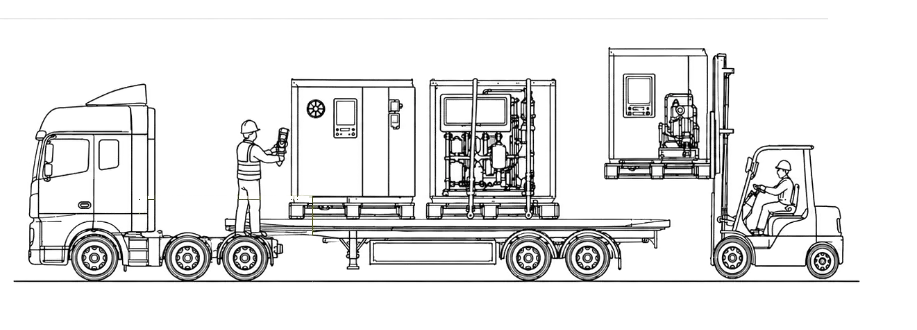
We arrange transport and hand the machine over for reassembly at the new location.
- safe securing of machines and components
- arranging road transport
- handover for reassembly
When is it worth selling a working machine?
Replacing a machine is not always a matter of wear. Plants raise output, change technology, rebuild lines or invest in a new generation of equipment. The existing machine may still be in very good technical condition, even though it no longer matches the plant's current requirements.
- Higher outputthe plant needs a faster machine
- Change of processproduction calls for a different technology
- New investmentthe current machine is replaced by a newer one
A used machine can start paying for itself sooner
Buying a working used machine can significantly lower the cost of an investment compared with a new unit. If its technical condition and output match the plant's requirements, the machine can run for years to come and reach its economic payback far sooner.
- Lower investment costless capital needed to buy the equipment
- Faster availabilityno waiting for a new machine to be built
- Remaining production potentiala sound machine can run for years to come