
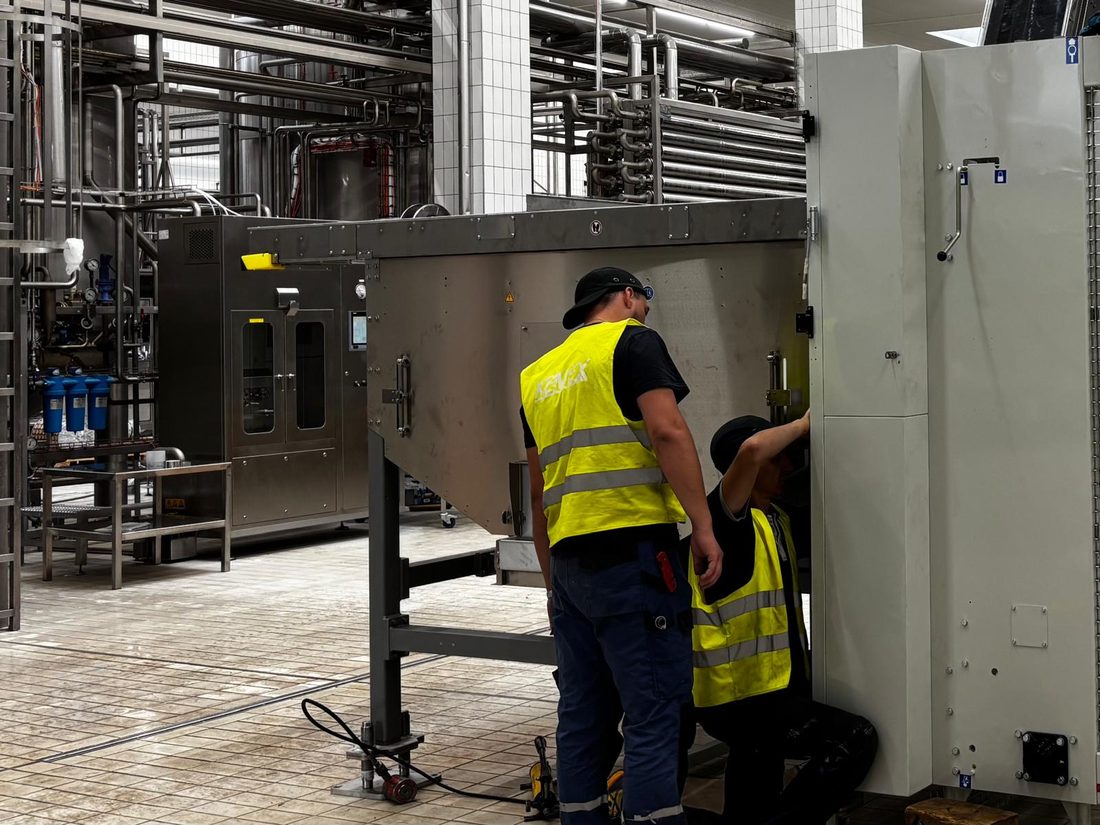
Service and modernisation of industrial machines and production lines
KEMEX INTERNATIONAL carries out service and modernisation of industrial machines and production lines. We support plants with diagnostics, repairs, component replacement and upgrade work aimed at restoring equipment to full working order, improving how it runs and adapting machines to current production needs.
Regular machine service is the basis of uninterrupted production
Ongoing checks of technical condition make it possible to catch faults before they turn into a breakdown and an unplanned production stop. Industry data shows a clear advantage of a preventive approach over service carried out only once a problem appears.
- 52.7%fewer unplanned downtimes*
- 78.5%fewer maintenance-related defects*
-
01
Inspection and diagnosis
We assess the technical condition of the machine and agree the scope of service work.
- machine inspection and measurements
- assessment of component wear
- agreeing the scope and date of work

-
02
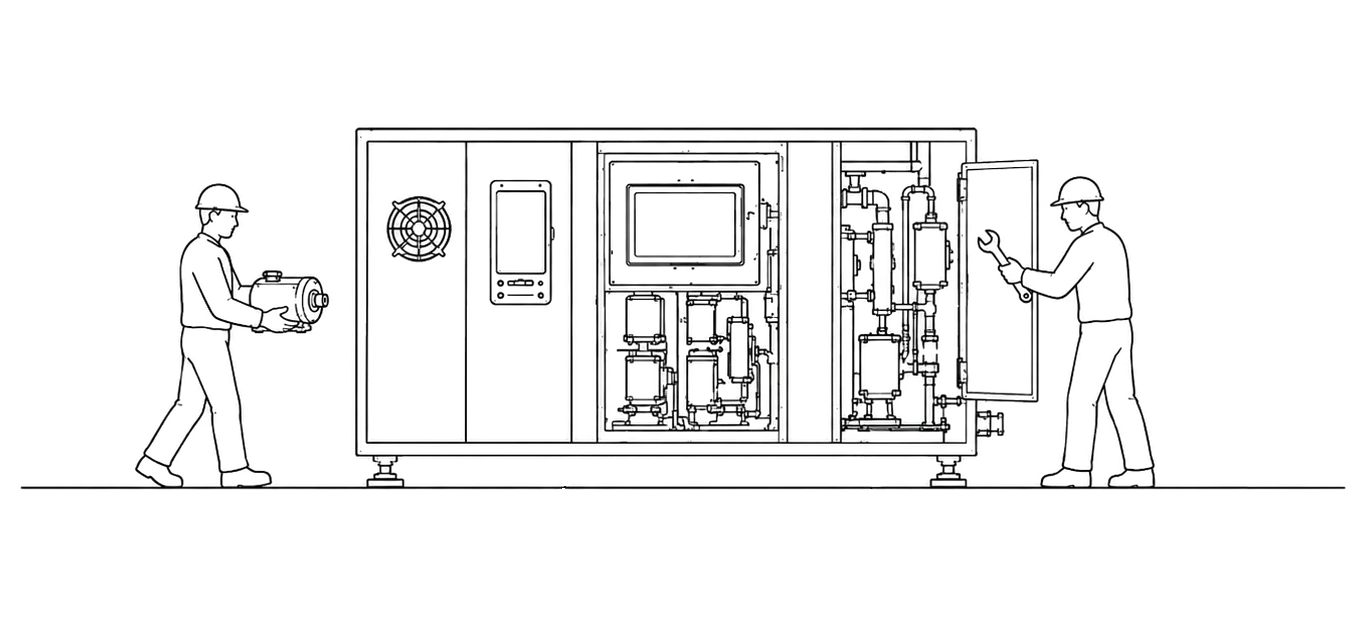
Service work and parts replacement
Replacing parts, adjustment and preparing the unit for further operation.
- dismantling and replacing parts
- service work on machines
- support during downtime or upgrades
-
03
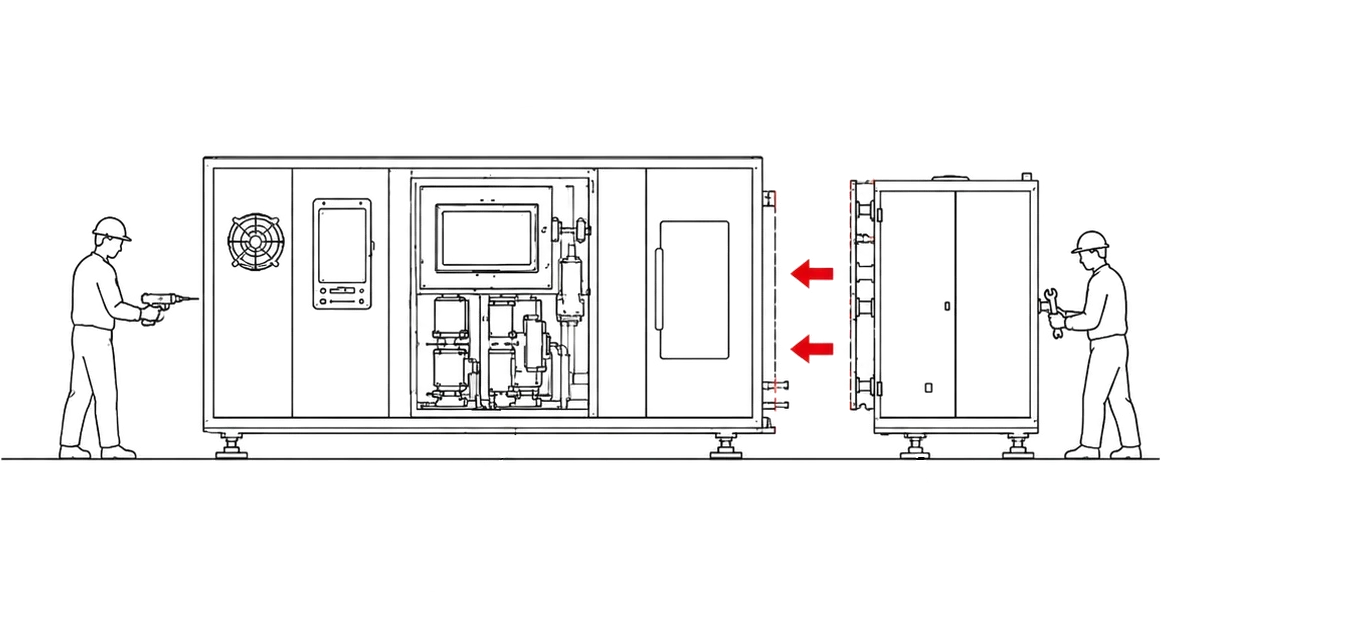
Upgrades and rebuilds
We adapt machines and lines to new products, formats and production requirements.
- rebuilds and line configuration changes
- installing new sections and components
- adaptation to new formats
-
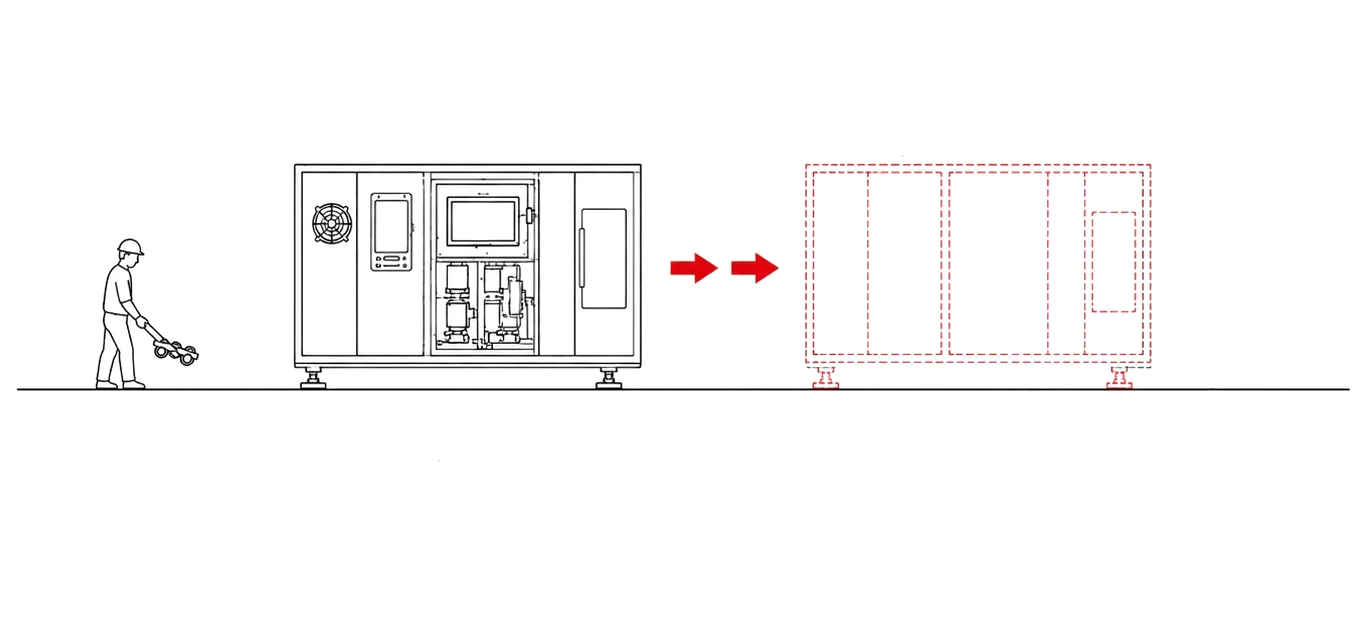
04
Start-up and support
We start the machine up after service work and support the team in returning to full output.
- tests and adjustment after service
- supervision of the production restart
- technical support after completion
The service work we carry out
Servicing production machinery is not only a reaction to breakdowns. The greatest value usually lies in what is done beforehand: inspections, replacement of wearing parts and changeovers carried out so that the line does not stop in the middle of a shift.
-
Inspections and maintenance
Periodic work following the manufacturer's recommendations and the machine's actual load: wear checks, adjustments, lubrication and replacement of parts approaching the end of their life.
-
Fault clearing
Diagnosing the cause, not just the symptom. Mechanical repair, adjustment or replacement of a subassembly, together with establishing what led to the fault so that it does not return a month later.
-
Changeovers and format changes
Preparing the machine for a different pack: change parts, adjustment of guides and transport, and verification of the settings after the change, before the line returns to production.
-
Upgrades and retrofits
Replacing worn-out subassemblies with newer ones, completing guards and safety devices, and changes that raise throughput or make an existing machine easier to operate.
How we work in a plant that keeps producing
Service almost always takes place where production is running alongside it. How the work is organised is therefore often more important than the repair itself, because that is what decides how long the line is actually out of production.
-
Report and scoping
Collecting symptoms, operating conditions and fault history before we arrive. This lets us bring the right tools and narrow down the cause in advance instead of diagnosing everything on site.
-
Parts and components
Establishing what has to be replaced and where to obtain it. With older machines, part of the job is finding a substitute or adapting an available subassembly to the existing design.
-
Working in the shutdown window
Planning the work around a process break, a weekend or a maintenance shutdown, with tasks divided so that the longest operations start first.
-
Report and recommendations
A description of what was done, the state of parts approaching replacement, and what is worth planning for the next shutdown. Maintenance gets specifics rather than generalities.