KEMEX
Relocation of industrial machines and production lines

Relocation of industrial machines and production lines

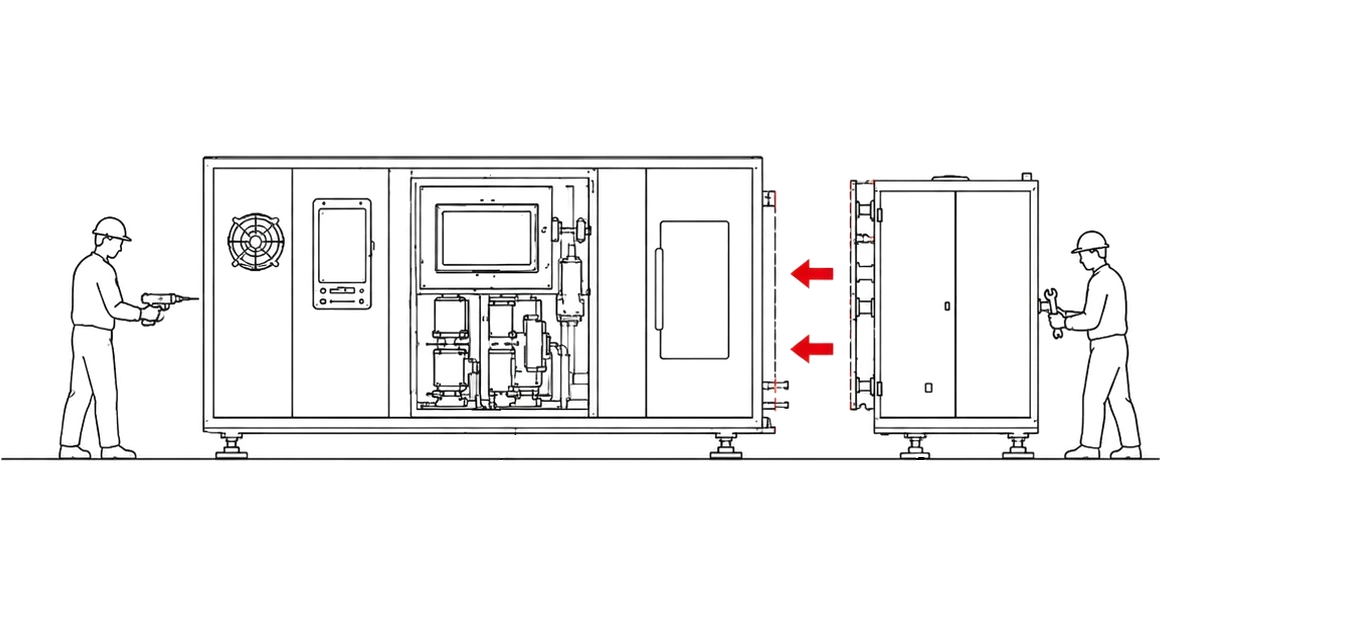
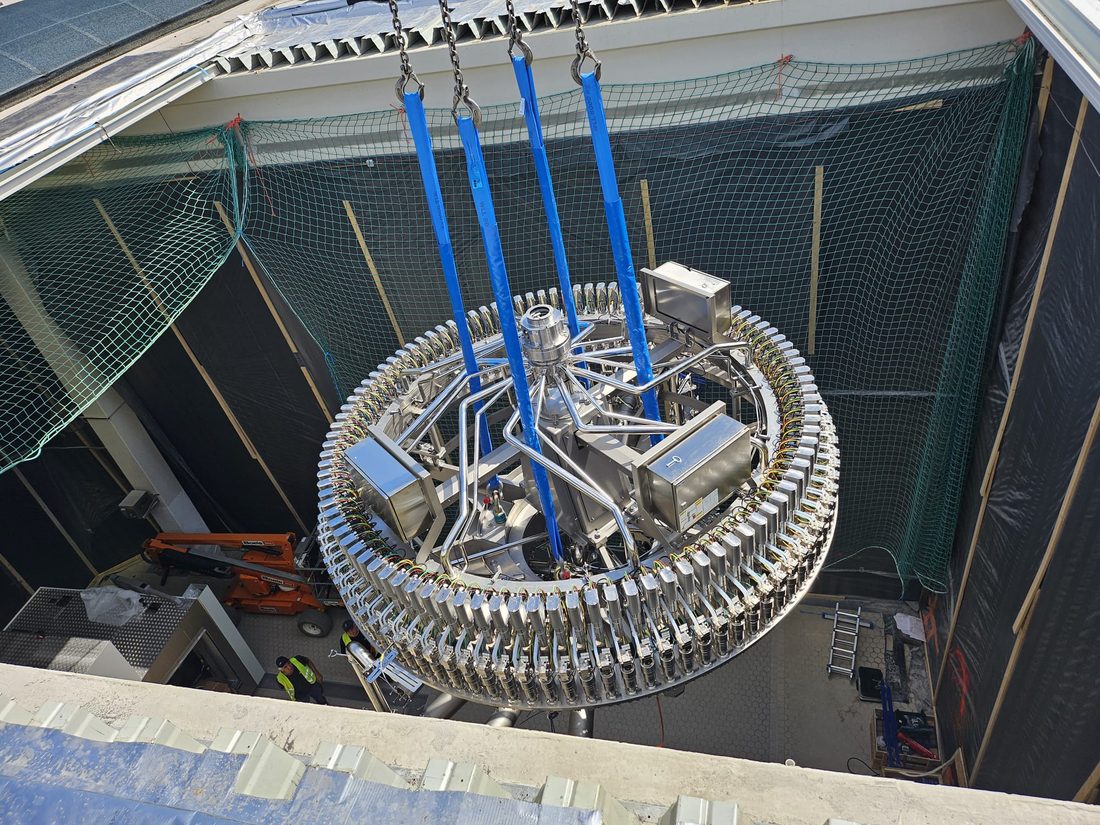
KEMEX INTERNATIONAL delivers complete relocations of industrial machines and production lines – from project preparation and dismantling, through protection and transport, to positioning, reassembly and preparation for start-up at the new location.

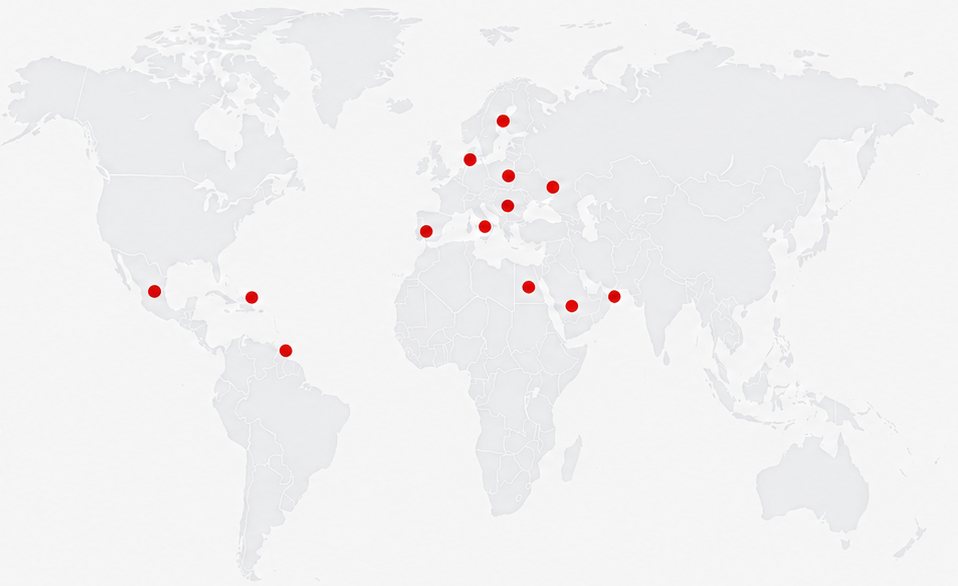
Relocations without borders

Relocation of machines and production lines

How a machine is relocated depends on where it is finally going to stand. We analyse its target position, access to the installation site, the layout of the surrounding equipment and the conditions for moving the machine into place. Thanks to that, the dismantling sequence, the split into sections, the method of protection and the preparation for transport can be matched to the later assembly at the new location.
  • Optimised transport cost
  • Protection of the machine value
  • Transport synchronised with the relocation
Project stages
  1. 01

    Relocation planning

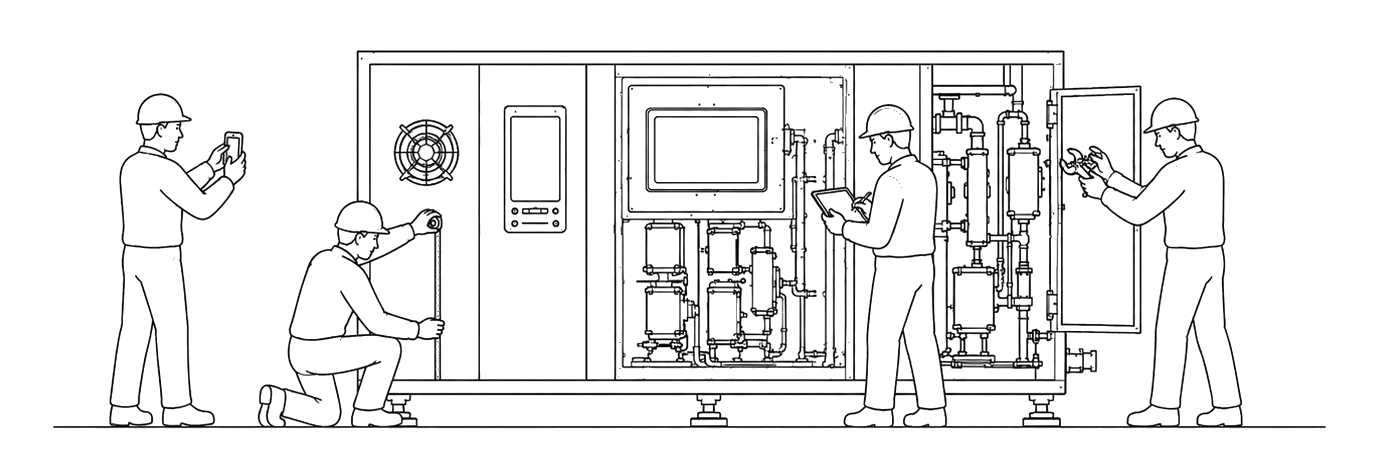
    We assess the machine and the moving conditions, document the configuration and prepare the relocation schedule.

    • inventory and photographic documentation
    • assessment of technical condition and completeness
    • relocation schedule and scope
    Relocation planning
  2. 02

    Dismantling the machine

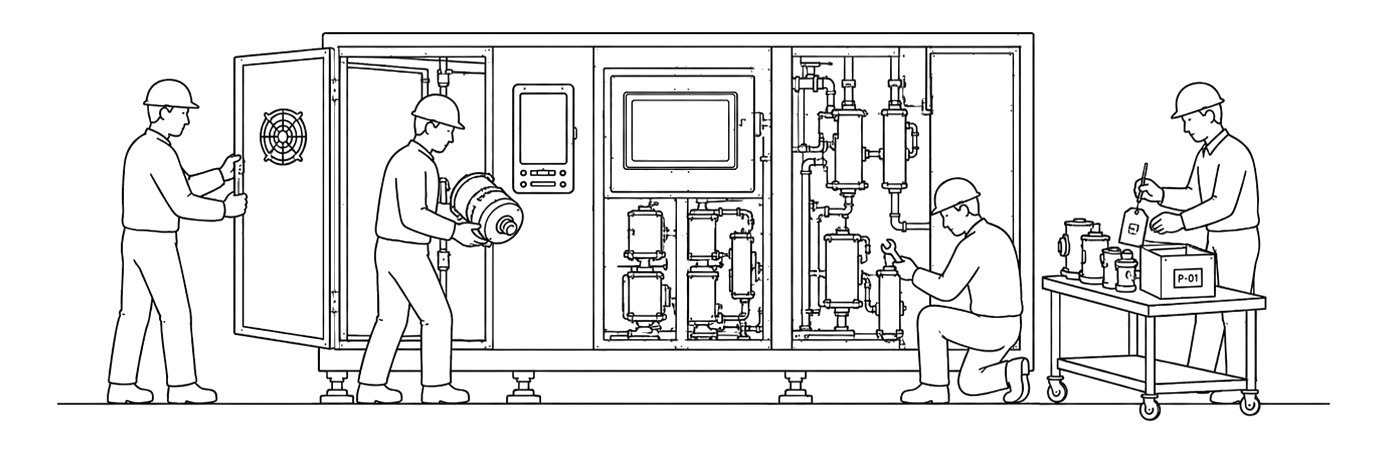
    We break the machine down into sections, labelling and cataloguing the components ready for reassembly.

    • disconnecting utilities and power supply
    • dismantling sections and components
    • labelling and cataloguing parts
    Dismantling the machine
  3. 03

    Packing and protection

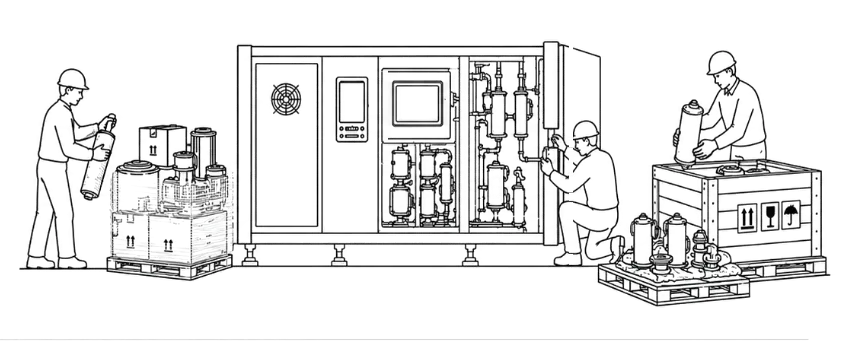
    We protect the sections and parts for transport — film, pallets, crates.

    • protecting machines against damage and the weather
    • sorting and labelling the components
    • drawing up the consignment list
    Packing and protection
  4. 04

    Transporting the machine

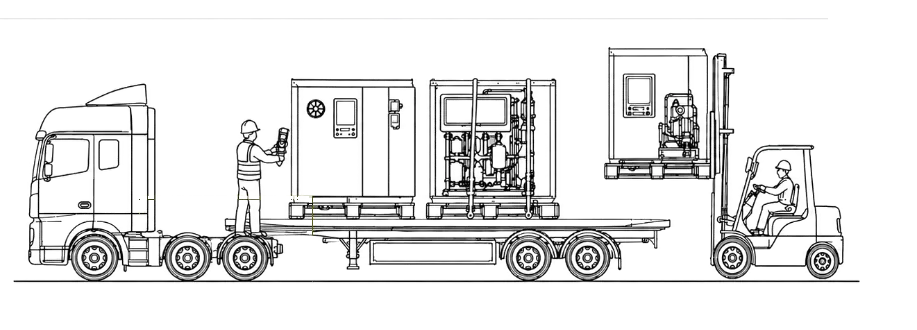
    We arrange transport and deliver the machine to the new location.

    • safe securing of machines and components
    • arranging road transport
    • coordinating delivery on site
    Transporting the machine
  5. 05

    Assembly and start-up at the new location

    We reassemble the machine, make the connections and prepare it for operation at the new site.

    • positioning and levelling the sections
    • assembly and installation work
    • tests and handover to production
    Assembly and start-up at the new location
Scope of relocation

What relocating a production line involves

Relocation is not transport of a machine from A to B. It is rebuilding a working system in a new place, often in a hall with different dimensions, a different utility layout and a different floor level. That is why the work starts long before dismantling.

  • Inventory and condition record

    A list of subassemblies, alignment measurements and a photographic record of the running line. This later becomes the reference for reassembly and for settling any damage.

  • Dismantling and labelling

    Disconnection in the order the design dictates, with connections, wiring and piping labelled. A part left undescribed in the source hall becomes a puzzle in the destination hall.

  • Protection and transport

    Preparing subassemblies for carriage, protecting sensitive components and load-bearing structures, and matching the means of transport to the size and weight of each part.

  • Reassembly and commissioning

    Alignment against the axes of the new hall, connection of utilities, checking the geometry of pack transport and preparing the line for start-up testing.

Time and cost

What drives the schedule and cost of a relocation

A relocation quote rarely follows from the number of machines alone. The conditions the work has to happen in, and the time allowed for it, weigh far more. We ask about these in the first conversation so the quote does not drift away from reality.

  • Line complexity and number of connections

    Not the size of the machines but the number of interfaces between them: conveyors, piping, control wiring and synchronisation points that have to be disconnected and rebuilt.

  • Conditions in both halls

    Access, clear height, floor load capacity and whether lifting equipment can be brought in. Constraints in the destination hall can change the order of the entire dismantling.

  • The shutdown window

    How many days the line may stay out of production. A shorter window means working on several fronts at once and a larger crew, which translates directly into cost.

  • Scope of accompanying work

    Foundation preparation, rerouting of utilities, upgrades carried out while the line is down, and whether support is needed with inspections and documentation.